On this page, browse information about what the CEL project is, Evonne Sullivan's Yoga for Wellness and Recovery program, what I learnt through the CEL project, project components and what I would do differently.
What is the CEL project?

The community engaged learning (CEL) project is a part of the Medical Science 4300 course which gives students an opportunity to work with individuals in the London community in order to broadcast, promote and advance their services. These services include the “Zero Suicide Initiative,” “Dual Diagnosis: Improving Current Models of Care,” and “Evonne Sullivan: Yoga for Mental Health and Addiction,” which is the project I had the pleasure to work on. The CEL projects include a video project proposal, a review of literature surrounding the topic or the service, a poster presentation and a final deliverable that the CEL partner can use to progress their business or program.
Evonne Sullivan: Yoga for WELLNESS AND RECOVERy

Evonne Sullivan is a registered yoga teacher who specializes in yoga and mindfulness for those recovering from mental illness or addictions. Evonne herself is in long-term recovery, giving her the ability to relate and understand those who are currently going through it. Her yoga practises are fundamental in her ability to cope with the anxiety and depression that those in recovery may face. Evonne claims that it is her conscious living and the ability to be in touch with her mind-body connection that has allowed her to maintain her health, wellness and sobriety.
About Evonne

Evonne graduated from the University of Guelph with a Bachelor of Arts, a Postgraduate Certificate in Human Resources Management from George Brown College and she is a Certified Human Resources Leader. She has also had training in several mental health, recovery and yoga courses, providing her with the skills to be a qualified Yoga Teacher. Evonne is based in Toronto but travels throughout Ontario to offer her services. Her yoga practises are available for individuals, families, supporters and also professionals.
Qualifications & Yoga Program

Evonne has utilized her Yoga for Wellness & Recovery program to assist mental health and addiction recovery groups. She has worked with several organizations, businesses and at special events. Evonne has many valuable experiences; she has partnered with the Center for Addiction and Mental Health (CAMH) Foundation as well as the Ontario Ministry of Children and Youth Services. For more information about Evonne’s services, experiences or training, please click here
Experiences
watch Evonne's introduction to her yoga program:
All Videos
All Videos
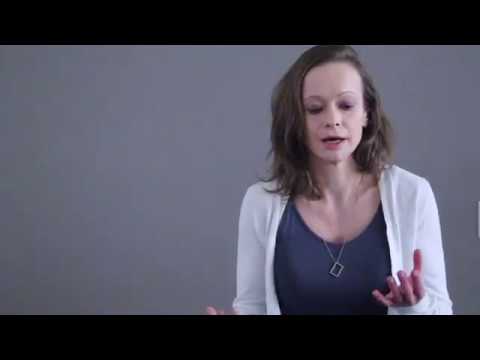
Yoga for addictions and recovery

Yoga for Wellness & Recovery

Video Story ~ Yoga for Wellness & Recovery


What I Learnt through the CEL Project

A component of the CEL project includes the completion of a literature review. In this literature review, my group and I had the task of looking at several common yogic elements, such as breathing and poses, and comment on what current research shows and where future research should be directed. I specifically had the opportunity to look at a yoga posture called the chest-opener which is an expansive position that is thought to encourage confidence, subjective energy and positivity within an individual. This review required students not only to comment on what research shows about the move but also give summaries of the study design and comment on limitations. This allowed me to critically analyze the papers that I found. I looked at the methodology of each study and compared it to other similar studies,. I tried to think about why certain studies used the particular methodology they had selected. When thinking of limitations, I asked questions such as “What did researchers not include?,” “What are some concerns I have regarding selection of subjects?,” or “What is the control group in this study and is it a true control?”
These analytical skills encouraged me not to look at the literature at surface-level but to go one step further and truly analyze and critique; many papers suggest valuable conclusions but it is important to know what the researches did in order to get to those conclusions and reflect on that. Critical thinking and analysis is definitely a skill that I will be able to employ in my career. Since I am planning to go into medicine, it is important to be able to criticize new research findings since they are constantly being produced. These findings have implications on patients, healthcare professionals and the healthcare system as a whole so it is important to look at these results with skepticism to ensure that they are applicable and will not lead to adverse effects. Additionally, since I want to specialize in addiction medicine, reviewing the literature concerning yoga as a potential adjunctive treatment for addicts and those in recovery was valuable and something to keep in mind as I work towards my career prospects.
Analytical Skills

Although I have always heard of yoga aiming to unify the mind and body of an individual, I didn’t know the scientific mechanisms underlying this phenomenon. I didn’t know what the significance of certain yoga poses were and the long-term effects they could have. Working with Evonne Sullivan in her Yoga for Wellness and Recovery program allowed me to gain a better understanding of yoga in general and the therapeutic effects it has. For example, I learnt that the chest-opening pose has a physiological basis for increasing an individual's’ subjective sense of energy and self-esteem.
The poses, postures and practises employed in yoga affect individuals at the neuroendocrine, physiological and psychological levels (Zavala et al., 2018). Yoga has commonly been associated with positive implications within these systems, and thus a positive mental state as there is mind-body unification. This allows individuals who are suffering from mental illness or addiction to cope with uncomfortable states, cravings or emotions and fight the battles they are facing in a healthy manner.
Gaining this knowledge about yoga’s therapeutic potential within mental illness and recovery is definitely something I can use in my career. I was always under the implication that conventional treatments, such as methadone, were the most effective solution for addicts. However, conducting this research through the CEL project has shown me otherwise - that there are other effective methods for addicts. I hope to see further research being directed towards the relation between yoga and addictions and possibly the implementation of yoga as a treatment strategy or adjunctive. This new knowledge also encourages me to explore the neuroendocrine, physiological and psychological implications of other practises such as visual arts, music or dance. Perhaps these practises also have therapeutic potentials and can be incorporated in recovery programs in the future.
Benefits of yoga and the relation of yoga to mental health and addiction

Through completion of the CEL project, I was able to refine many skills as I have mentioned before. These include, but are not limited to, time management, communication and teamwork skills. I will give a brief discussion of each in this section.
Throughout the duration of the CEL project, we, as a group, established several deadlines that were both feasible with group members, but more importantly, feasible with our CEL supervisor. Having a full course load and many other important deadlines to meet, it was difficult at times to get all the work done in a timely, efficient manner. However, I planned ahead, organized my schedule and fortunately, I was able to complete all tasks on time without stressing myself out too much. Time-management is an important skill to have as there will always be important deadlines to meet within schoolwork and also within one’s career. It is critical to be able to meet these deadlines while also making time for self-care and hobbies.
I was able to develop communication and teamwork skills. The CEL project is group-based meaning that in order to achieve success, each group member must be able to communicate their ideas, constructively criticize others’ ideas in a polite manner and sufficiently contribute to the goals of the group. Since many of my previous undergraduate courses have not had group-based components, this project gave me the opportunity to work with different students, gain new perspectives and make new friends while simultaneously working towards a common academic goal. We were able to divide tasks equally among ourselves. I was also able to develop communication skills and convey my ideas while taking into consideration the ideas of others. Overall, this has helped me grow as a group member and I am looking forward to working in teams in the future. Communication and teamwork are both critical skills within the field of medicine as healthcare is administered by a team rather than just one individual, most of the time. Effective communication between healthcare professionals leads to improved patient outcomes and an efficient healthcare system. Additionally, as an addictionologist, I must be able to employ communication skills in a sensitive, but effective manner in order to get my point across to addicts, who are often vulnerable.
Time management, communication and teamwork skills
Project Components and Deliverables

We completed a video pitch once we were matched with our community partner, Evonne Sullivan. This video outlines why this CEL project is important, our plan of execution and how we will succeed at achieving our goals. Click on the image to access the video.
Video Pitch

A poster presentation was also completed for the purposes of our CEL project. This poster was used to showcase our research findings on Presentation Day, when several community partners visited to learn more about the CEL projects undertaken in this class. Click on the picture to view our poster.
Poster

We completed an extensive review of the current literature regarding yoga postures and their effects on mental health and addiction. This literature review cohesively portrays where the research is at this point and where future research should be focused. As well, the findings obtained from our research were used to provide a scientific backing for Evonne's yoga programme. Please click on the image to obtain a copy of this literature review.
Literature Review

Our main deliverable for this CEL project were infographics that Evonne can hand out to those attending her yoga class. These infographics present the benefits of yoga in simple, understandable terms, making this knowledge more accessible. While doing this, we considered the concepts of science and health literacy which were discussed in class. The printed versions of these infographics include, on the backside, brief instructions on how to do the yoga move.
Infrographics
View all deliverables below:


If I could do this project again, what would I do differently?
If I could repeat this project, I would probably try to align our group goals with our supervisor’s (Evonne’s) goals more closely. Although we were aware of what our supervisor wanted for the project, at times, we assumed she would want it done a certain way and do it in that manner accordingly. Though she was seeking us for guidance to help promote her services, it is always important to stay in touch and in line with others that we are working with to make sure the end results are satisfactory for everyone and also to ensure that all parties are able to contribute equally.
Additionally, if I could do this project again, I would probably engage myself in the services that the CEL supervisor offers. For example, I think it would be beneficial to attend a few more yoga classes that Evonne held so that we gain a true understanding of her services and how they function in the recovery of an individual who is addicted or mentally ill. Having this understanding would enable us to better promote her services in items such as the video proposal and poster presentation, as well as help us find a clear and refined research topic for our literature review.